
Swayambhunath Temple Kathmandu
The Glorious Symbol of Faith and Harmony
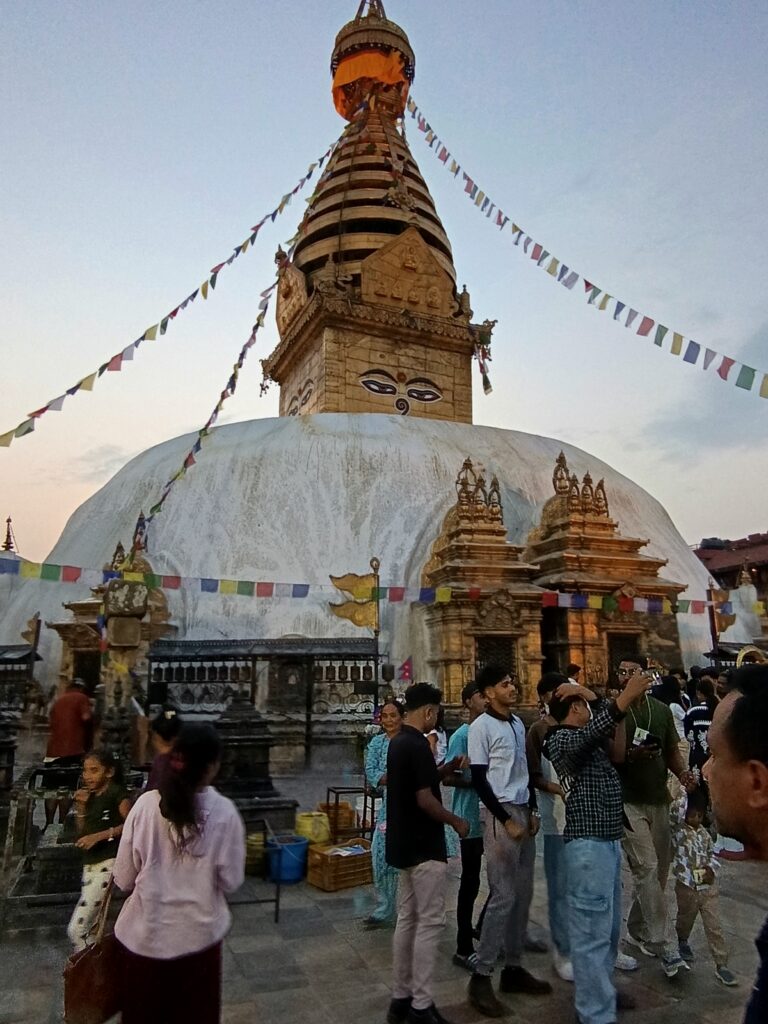
Nestled atop a serene hill in the western part of Kathmandu Valley, the Swayambhunath Temple — also affectionately known as the Monkey Temple — stands as one of the most sacred and ancient religious monuments in Nepal. This UNESCO World Heritage Site is not only a place of deep spiritual significance for Buddhists and Hindus alike, but it also offers a breathtaking panoramic view of the entire Kathmandu Valley. With its golden spire, watchful Buddha eyes, and centuries-old architecture, Swayambhunath represents the perfect blend of faith, history, and artistry.
Table of Contents

The Origin and History of Swayambhunath Temple
The history of Swayambhunath Stupa dates back over 2,000 years, making it one of the oldest religious sites in Nepal. According to ancient Buddhist texts, the Kathmandu Valley was once a vast lake, and it is said that Lord Manjushri, the Bodhisattva of Wisdom, drained the lake by cutting a gorge at Chobhar. As the water receded, a lotus flower blossomed in the center of the lake — this self-created (Swayambhu) flame of enlightenment became the site where the Swayambhunath Temple now stands.
The word “Swayambhu” literally translates to “Self-Existent One”, symbolizing the spontaneous manifestation of divine energy. Over the centuries, the temple complex has been renovated and expanded by several kings and patrons, including the Licchavi and Malla dynasties, yet it continues to retain its ancient spiritual aura and architectural brilliance.
Architectural Grandeur of the Swayambhunath Stupa
The Swayambhunath Stupa is a masterpiece of Nepalese craftsmanship. Its dome-shaped base represents the world, while the thirteen tiers above symbolize the steps to enlightenment. Atop the dome sits a gilded spire adorned with the all-seeing eyes of Buddha, gazing in all four cardinal directions. Between the eyes, a curved symbol resembling a nose is actually the Nepali number “1,” signifying unity and the path to enlightenment.
Encircling the main stupa are hundreds of prayer wheels, each inscribed with the sacred mantra “Om Mani Padme Hum.” Devotees and visitors alike walk clockwise around the stupa, spinning the wheels to release prayers and blessings into the universe. The air is filled with the rhythmic sound of bells, fluttering prayer flags, and the scent of burning incense — creating a truly divine and peaceful atmosphere.
Spiritual Significance and Symbolism
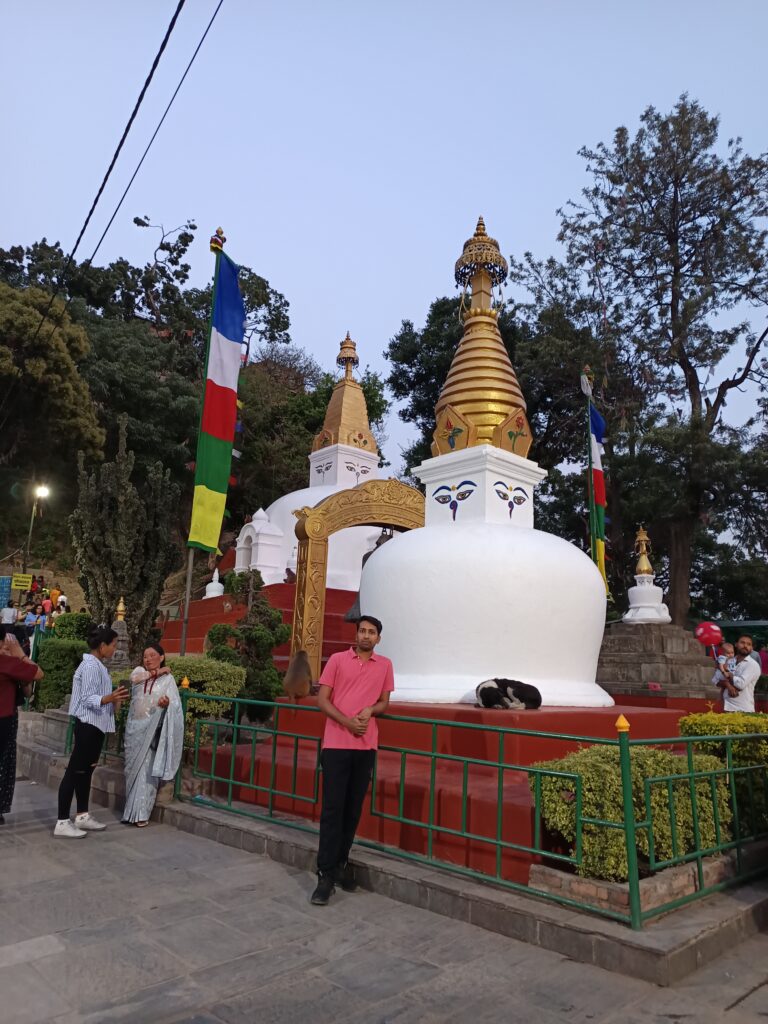
Swayambhunath is a beacon of spiritual unity, revered by both Hindus and Buddhists. For Buddhists, it represents the mind of Buddha — pure, eternal, and enlightened. For Hindus, it is a sacred site dedicated to Harati Devi, the goddess who protects children and families.
The stupa’s design embodies the elements of the cosmos:
The white dome represents earth.
The golden spire symbolizes fire.
The umbrella atop signifies air and space.
The eyes of Buddha symbolize awareness and compassion for all beings.
Together, these elements form a sacred geometry that reflects the path toward spiritual awakening and universal harmony.
The Monkey Temple – A Blend of Faith and Fun
One of the most striking features of Swayambhunath is its playful population of monkeys. These monkeys are considered holy guardians of the temple and are believed to inhabit the hill as protectors. Their mischievous nature adds a light-hearted charm to the sacred atmosphere. However, visitors are often advised to be cautious with food and personal belongings — as these clever creatures are quick to grab a snack or a shiny item!
The temple’s alternative name, “Monkey Temple,” thus pays homage to these furry residents who have become an inseparable part of Swayambhunath’s identity.

Panoramic Views from the Hilltop
Ascending the 365 stone steps that lead to the Swayambhunath Stupa is both a spiritual and physical journey. At the top, visitors are rewarded with breathtaking views of Kathmandu City and the surrounding Himalayas. The early morning and sunset hours are particularly magical, as the golden rays of the sun bathe the stupa and the valley in warm light, creating a sight that feels both sacred and timeless.
Festivals and Celebrations at Swayambhunath
Swayambhunath comes alive during major Buddhist and Hindu festivals, drawing thousands of pilgrims from around the world. The Buddha Jayanti (the birth anniversary of Lord Buddha) and the Losar Festival (Tibetan New Year) are among the most vibrant celebrations held here.
During these festivals, the stupa is decorated with butter lamps, colorful prayer flags, and offerings of flowers and incense. Monks chant prayers, devotees light lamps, and the entire atmosphere radiates peace, devotion, and cultural harmony. These occasions provide a perfect glimpse into Nepal’s spiritual and cultural diversity.
Nearby Attractions Around Swayambhunath
The area surrounding the Swayambhunath Temple offers several points of interest that reflect Nepal’s rich religious and cultural landscape:
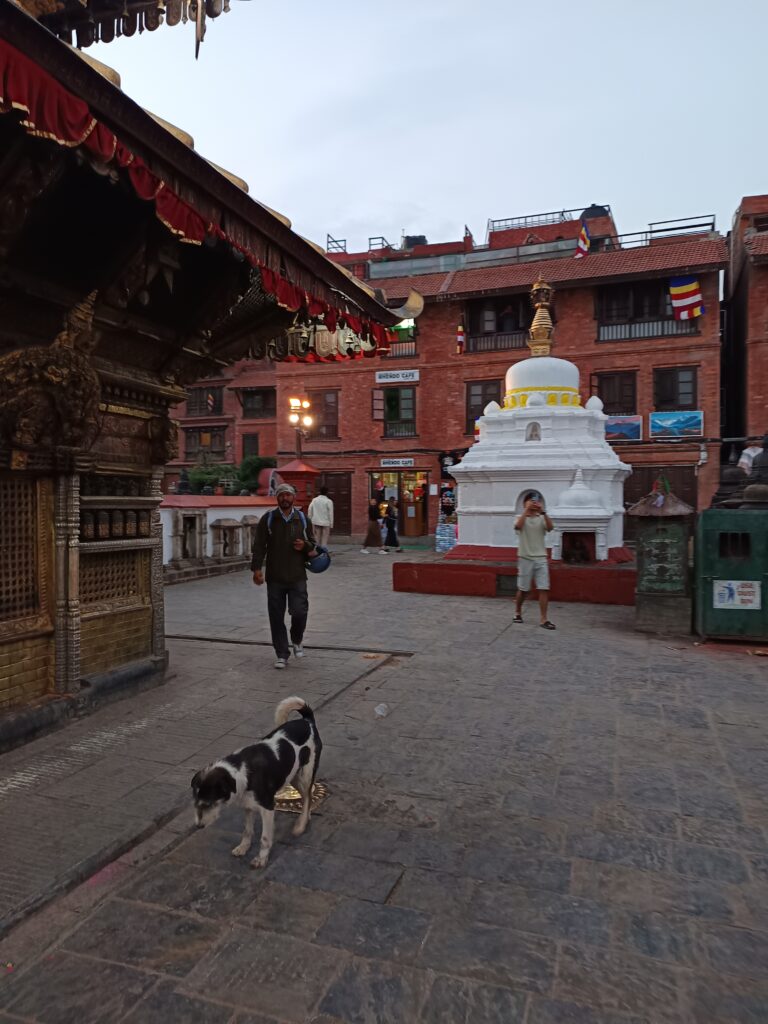
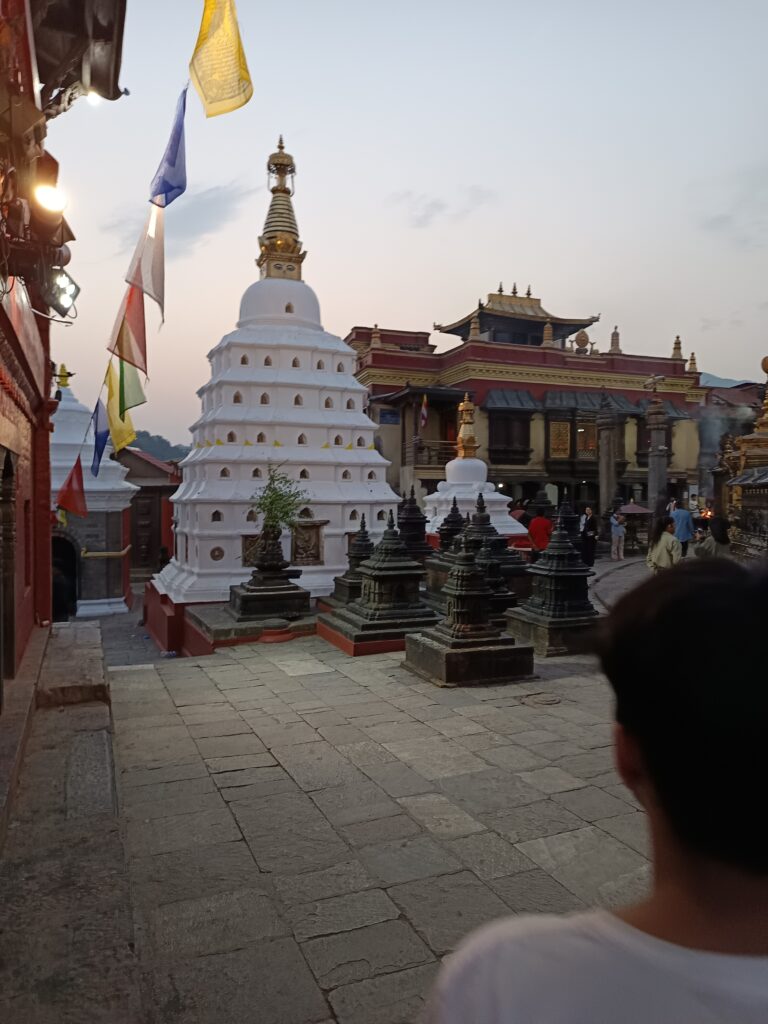
Harati Devi Temple – Dedicated to the goddess of smallpox and protection, located within the Swayambhu complex.
Anantapur and Pratappur Temples – Twin shrines built by King Pratap Malla in the 17th century.
Museum of Buddhist Art – Showcases ancient sculptures, manuscripts, and Thangka paintings.
Shantipur Temple – Known as the “Palace of Peace,” housing ancient relics and secret chambers.
Each of these sites adds depth to the spiritual aura that envelopes Swayambhunath Hill.
Travel Tips for Visiting Swayambhunath Temple
Opening Hours: The temple is open from early morning till evening, making it ideal for sunrise or sunset visits.
Entry Fees: A nominal entrance fee is charged for foreign visitors, helping maintain the site.
Best Time to Visit: The months of October to April offer clear skies and pleasant weather.
Dress Modestly: As it’s a sacred site, wear respectful clothing and avoid loud behavior.
Respect the Rituals: Walk clockwise around the stupa and refrain from touching religious objects unnecessarily.
Swayambhunath Temple – A Timeless Symbol of Harmony
The Swayambhunath Temple is more than just a religious monument — it’s a living embodiment of Nepal’s soul. Its ancient history, architectural splendor, and serene atmosphere make it a destination that transcends time and faith. Whether you’re a pilgrim seeking spiritual solace, a traveler chasing culture, or a photographer capturing the essence of Kathmandu, Swayambhunath offers an experience that enlightens the mind and elevates the spirit.
With its golden stupa shimmering under the Himalayan sun, the Swayambhunath Temple in Kathmandu stands as a testament to the eternal quest for peace, wisdom, and harmony that binds humanity together.
An ancient spiritual place located on a hilltop at Kathmandu with thr backdrop of Panoramic city and mountain view.
A gorgeous Buddha idol sits on one side.
Heavily infested by monkeys so also known as monkey temple. Tourists with food in bags or items alluring the animals ought to be careful not to loose their personal belongings.
Very nice this is very helpful