
Welcome, traveler and seeker, to your comprehensive guide to one of Nepal’s most cherished spiritual destinations: the Manakamana Devi Temple. This isn’t just a temple; it’s a journey, a legend, and a beacon of hope for countless devotees. Perched on a majestic hilltop in the Gorkha district, the Manakamana Devi Temple Gorkha is dedicated to the powerful Goddess Bhagwati, the wish-fulfilling incarnation of Parvati. The name itself—”Mana” (heart) and “Kamana” (wish)—reveals the profound promise of this sacred place. A pilgrimage to the Manakamana Devi Temple in Nepal is believed to bring the deepest desires of your heart to fruition, making it a uniquely powerful and personal experience.
The Legend Behind the Temple: A Queen's Divine Secret
The allure of the Manakamana Devi Temple is deeply rooted in a captivating legend from the 17th century. The story goes that the king of Gorkha, Ram Shah, had a queen who was, in truth, a goddess in human form. This divine secret was known only to her husband, as the king possessed a magical power to see her true nature. The queen’s secret was tragically revealed when the king died suddenly. Grieving, the queen prepared to ascend the funeral pyre to join him in sati. A faithful devotee of the queen, Lakhan Thapa, who had also discovered her secret, was heartbroken. As the queen committed sati, she promised Lakhan that her divine form would reappear, and he would be her priest.
Miraculously, shortly after this event, a farmer plowing his field discovered a stone from which a divine light and blood emanated. The spirit of the queen appeared to Lakhan in a dream, confirming that the stone was her new, eternal form. Lakhan Thapa then established the shrine that would become the revered Manakamana Devi Temple. To this day, the priests of the Manakamana Devi Temple are direct descendants of Lakhan Thapa, honoring a sacred tradition that has endured for centuries. This legendary origin is the soul of the Manakamana Devi Temple, infusing every brick with a sense of divine mystery.
Planning Your Journey: From Kathmandu to the Hilltop
A successful visit to the Manakamana Devi Temple begins with good planning. The journey is part of the pilgrimage, offering stunning views and a build-up of spiritual anticipation.
The Scenic Drive to Kurintar
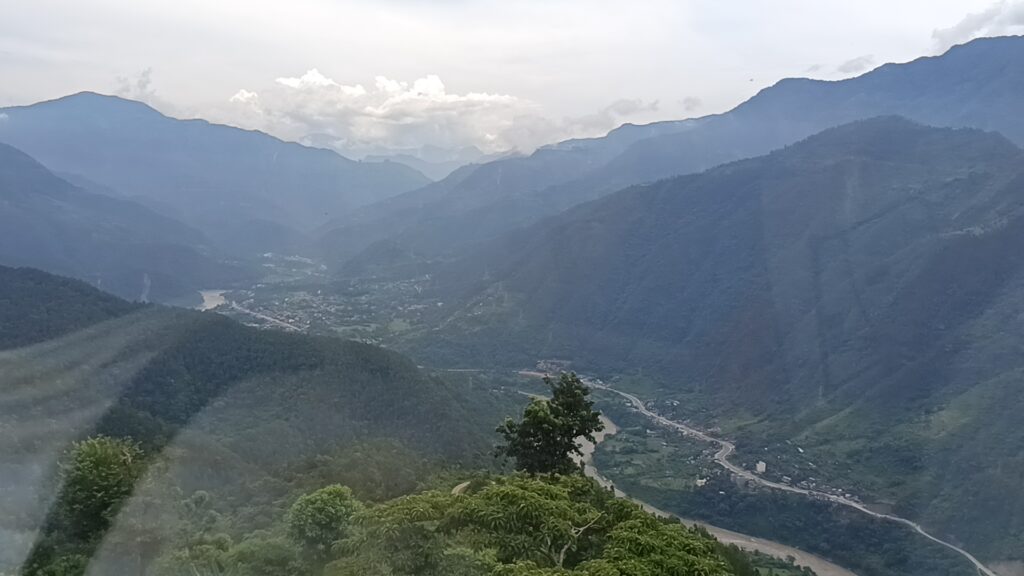
Your first leg of the journey to the Manakamana Devi Temple is a road trip from Kathmandu. The approximately 106-kilometer drive to the cable car base station in Kurintar takes about 3-4 hours. You’ll travel along the picturesque Prithvi Highway, which winds alongside the roaring Trishuli River. The route is dotted with small towns, terraced farms, and lush hills, making the drive itself a memorable part of your trip to the Manakamana Devi Temple. You can choose between a public bus for a budget-friendly option or hire a private car for greater comfort and flexibility on your way to the Manakamana Devi Temple.
The Unforgettable Cable Car Experience
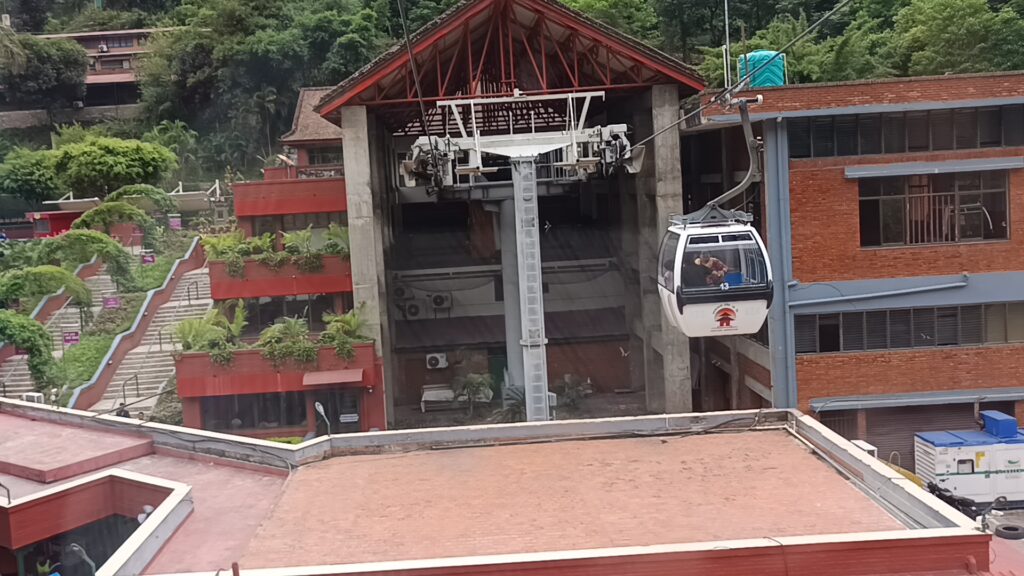
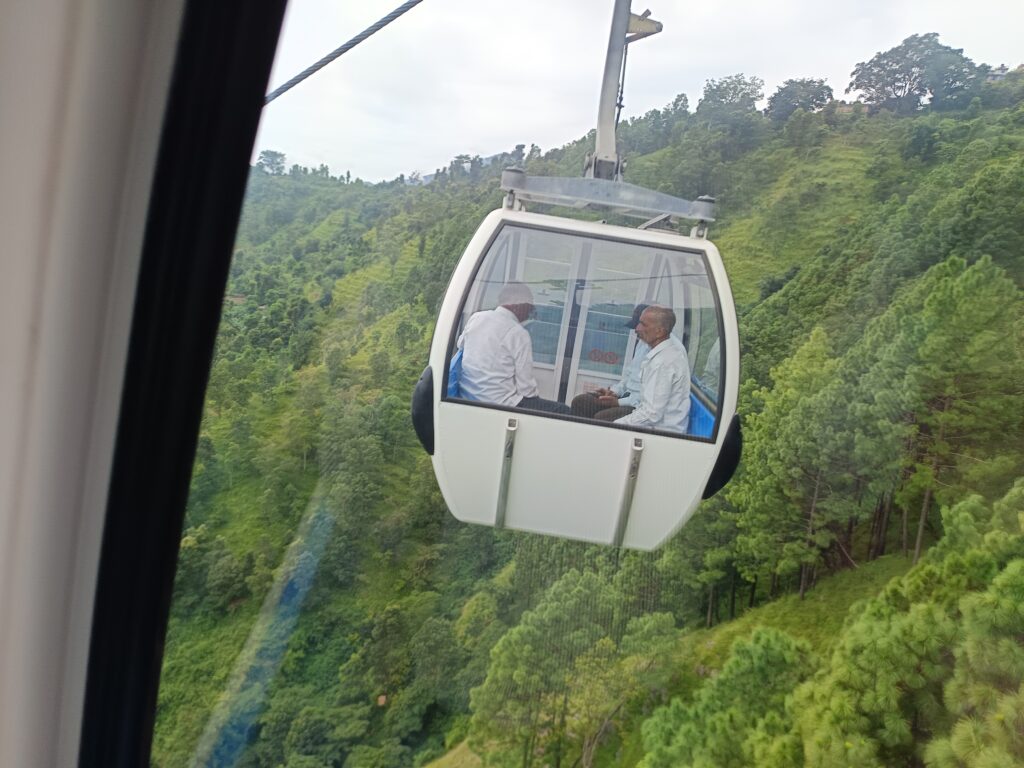
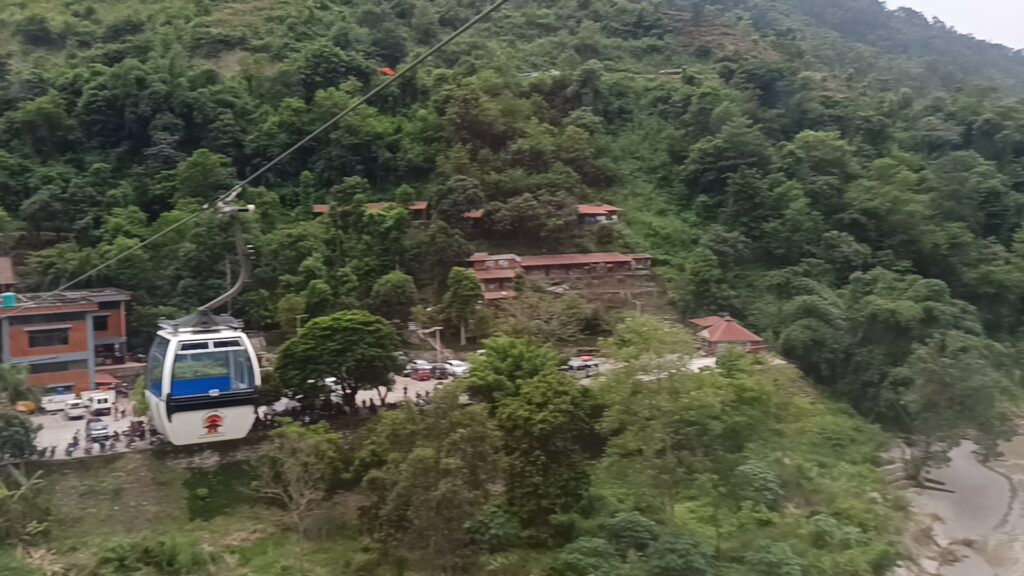
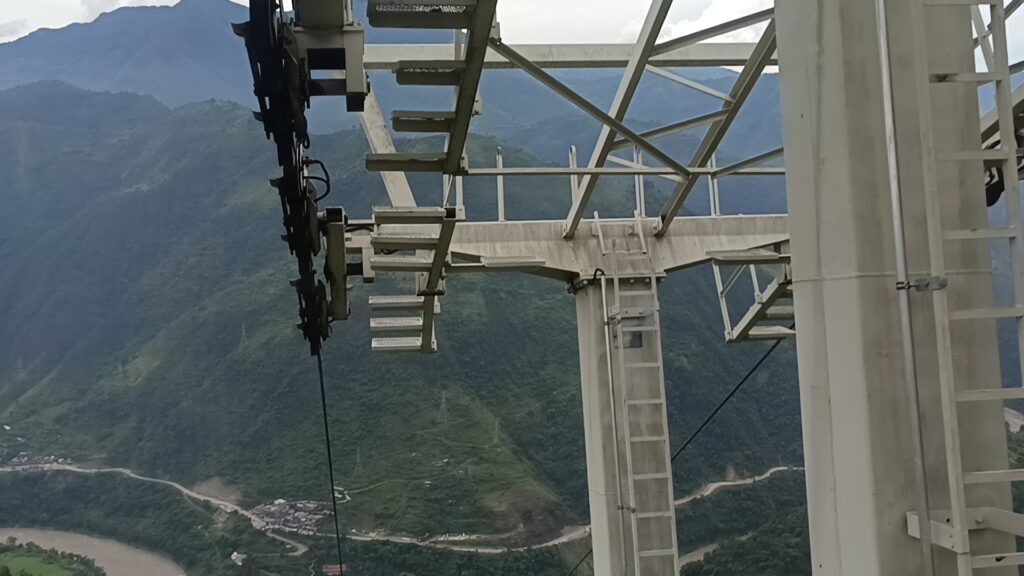
The most popular and thrilling way to reach the Manakamana Devi Temple is via the Manakamana Cable Car. This modern engineering marvel has replaced a strenuous 3-4 hour trek, making the Manakamana Devi Temple accessible to all. The 10-minute cable car ride is an experience in itself, offering breathtaking aerial views of the deep valleys, terraced fields, and the Trisuli River below. On a clear day, you might even spot distant snow-capped peaks. This serene ascent perfectly sets the tone for your visit to the holy Manakamana Devi Temple, lifting you not just physically, but spiritually, towards the goddess.
At the Temple: Rituals, Offerings, and Making Your Wish
Once you disembark from the cable car, a short walk through a vibrant bazaar leads you to the entrance of the Manakamana Devi Temple. The air is thick with devotion, the sound of bells, and the scent of incense.
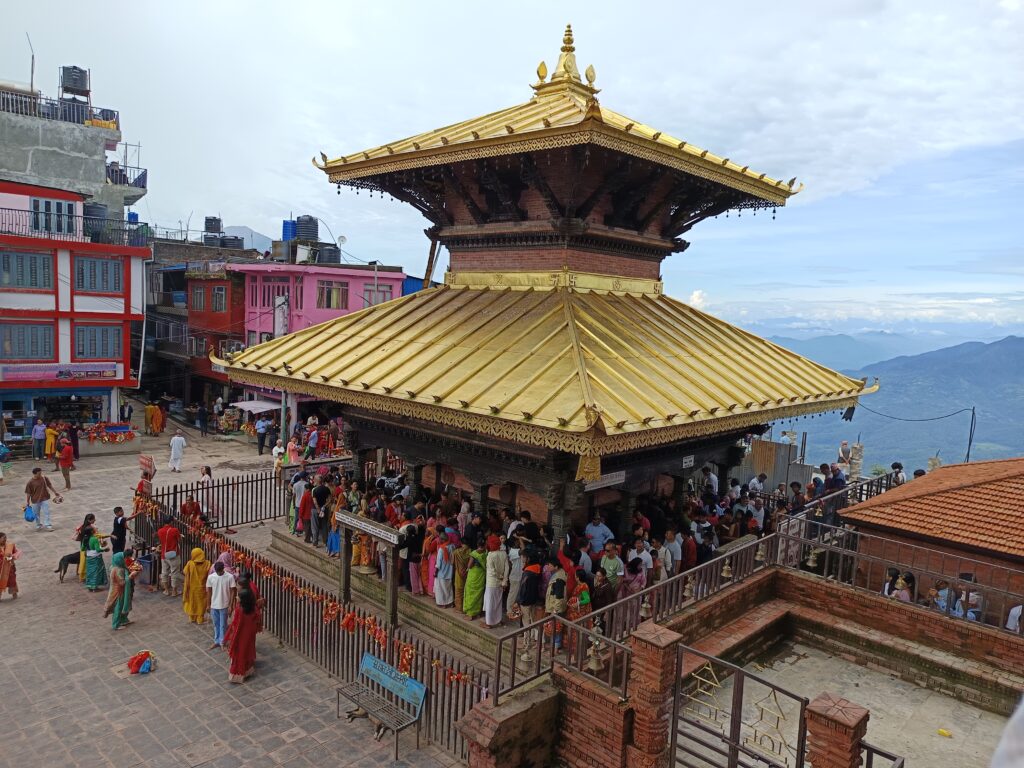
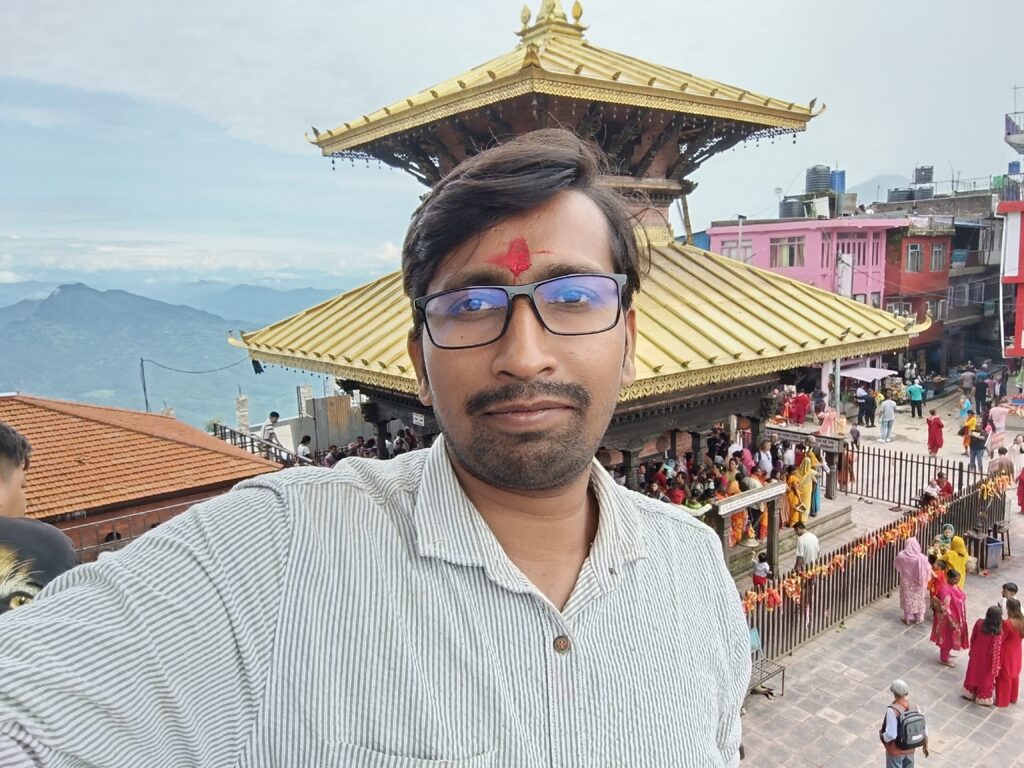
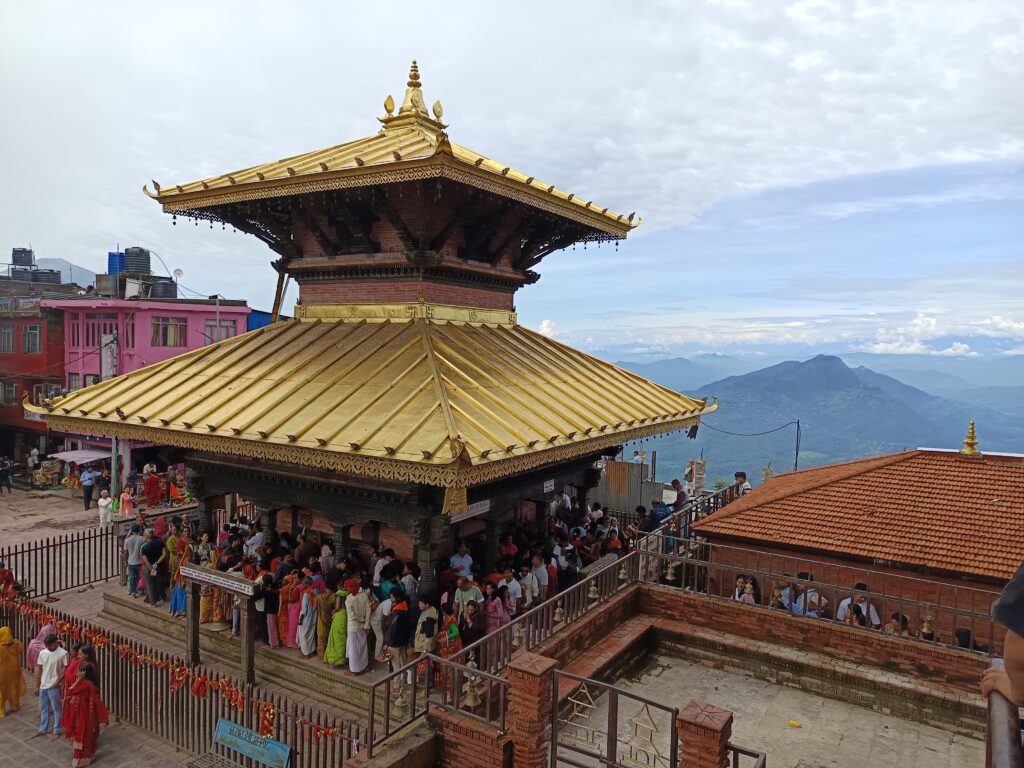
The main Manakamana Devi Temple Pilgrimage in Nepal is a beautiful example of traditional pagoda architecture. While the inner sanctum is reserved for Hindus, the outer courtyard is open to all and provides a full view of the rituals. The most common offerings at the Manakamana Devi Temple are fruits (especially coconuts and bananas), flowers, red vermillion powder (sindoor), and incense. A significant, though personal, tradition at the Manakamana Devi Temple is the offering of animal sacrifices (bali), such as goats or pigeons, to fulfill a vow. Many modern visitors to the Manakamana Devi Temple opt for symbolic donations instead.
When making your wish at the Manakamana Devi Temple, Wishes Fulfilled, the key is sincerity. It is customary to make a silent vow (Bhakal) to the goddess, promising a specific offering in return for the fulfillment of your wish. The ancient, sacred Champak tree within the complex of the Manakamana Devi Temple is also a focal point for prayers. The spiritual atmosphere at the Manakamana Devi Temple in Nepal is palpable, and participating in these rituals is a core part of the experience.
Practical Tips for a Smooth Pilgrimage
To ensure your visit to the Manakamana Devi Temple is comfortable and respectful, here are some essential tips:
Timing: The Manakamana Devi Temple is open for most of the day, but the main morning puja happens around sunrise. The cable car operates from 9:00 AM to 5:00 PM—don’t miss the last ride down!
Dress Code: Dress modestly when visiting the Manakamana Devi Temple, covering your shoulders and knees as a sign of respect.
Footwear: You must remove your shoes before entering the main courtyard of the Manakamana Devi Temple. There are paid stalls available.
Cash: Bring ample Nepali cash for the cable car, offerings, donations, and food, as ATMs are not readily available at the hilltop Manakamana Devi Temple.
Etiquette: Maintain a quiet and respectful demeanor within the Manakamana Devi Temple complex. Avoid taking photos of the main idol or during private rituals.
Hydration and Food: Carry water and be open to trying local snacks from the clean stalls near the Manakamana Devi Temple.
Beyond the Temple: Exploring the Gorkha Region
While the Manakamana Devi Temple is the primary draw, your pilgrimage can be enriched by exploring the surrounding Gorkha region. This area is the ancestral home of the Shah dynasty, the unifiers of Nepal. A short drive from the Manakamana Devi Temple will bring you to the historic Gorkha Durbar (Gorkha Palace). This magnificent palace fort offers stunning architecture, a museum, and panoramic views that rival those near the Manakamana Devi Temple. Combining a visit to the Gorkha Durbar with your pilgrimage to the Manakamana Devi Temple provides a deeper cultural and historical context to your journey, making it a truly well-rounded Nepalese experience. The legacy of the kings of Gorkha is intrinsically linked to the divine power of the Manakamana Devi Temple, creating a powerful narrative of faith and nationhood.
Pingback: Pashupatinath Temple - All Tools
Good work this is very helpfull
Our visit to the Manakamana Temple was one of the most memorable experiences of our Nepal trip. The journey itself is absolutely mesmerizing. The cable car ride, which lasts for nearly 30 minutes, offers breathtaking views of lush green …More
351 Reviews for Manokamana Mandir Godhiya in Pakridayal, East …
Reviews for Manokamana Mandir Godhiya in Pakridayal, East Champaran. Start your review. 4.3. 351 Ratings. Jd rating index based on 351 ratings across the …
Our visit to the Manakamana Temple was one of the most memorable experiences of our Nepal trip. The journey itself is absolutely mesmerizing. The cable car ride, which lasts for nearly 30 minutes, offers breathtaking views of lush green valleys, flowing rivers, and towering mountains. The ride feels peaceful and thrilling at the same time, making it a highlight even before reaching the temple.
Once we reached the top, we were truly impressed by the excellent maintenance of the entire area. The surroundings are clean, well-organized, and very tourist-friendly. The walk towards the temple is lined with traditional shops and friendly locals, adding charm to the pilgrimage experience.
The darshan at Manakamana Temple was spiritually fulfilling. The temple holds immense significance, and being able to offer prayers in such a divine atmosphere felt truly special.
One of the most unforgettable moments was witnessing the stunning view of the mighty Mount Everest from the temple area. Seeing the world’s highest peak from that vantage point was a surreal and awe-inspiring experience.
Overall, our trip to Manakamana Temple was beautiful, peaceful, and spiritually uplifting. The cable car ride, the temple’s divine ambiance, the pristine maintenance, and the majestic Himalayan views make it a must-visit destination for anyone traveling to Nepal.